Credits
Every photograph on this site
Licences were checked on each source page on 18 November 2026. CC BY and CC BY 3.0 stills are used on the website and credited; they are not placed in the typographic PDFs. CC BY-SA stills are used on the website only, and are not placed in the downloadable fact sheets.
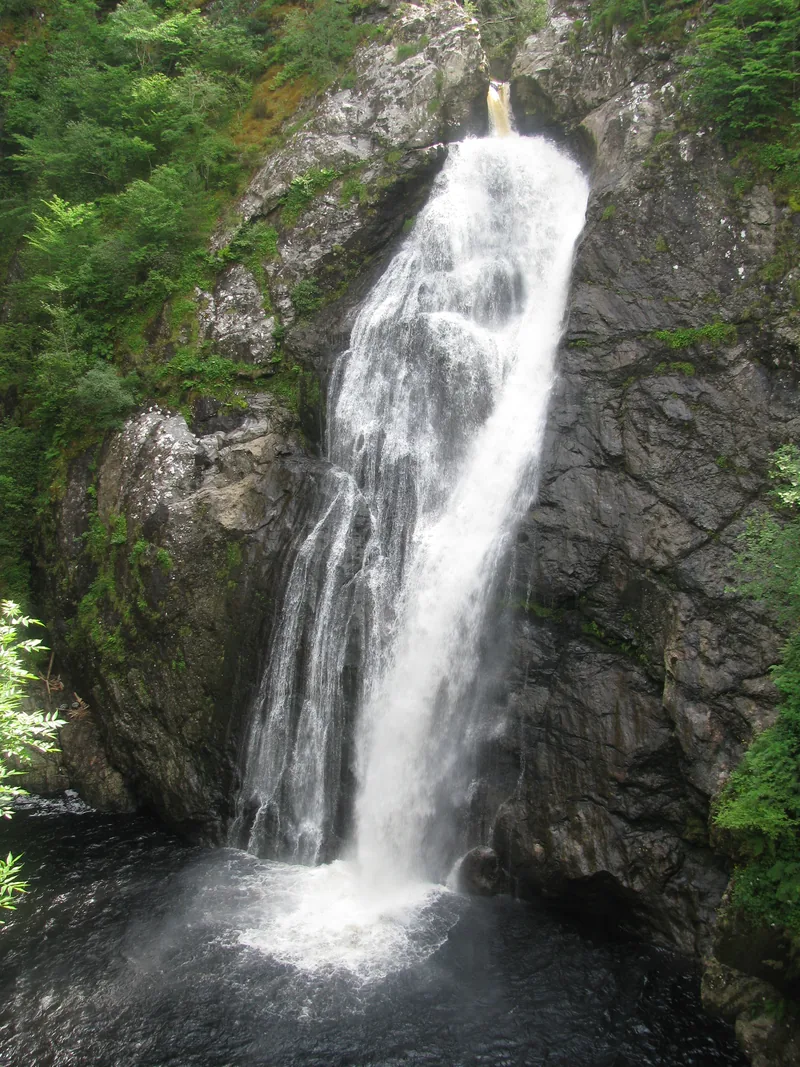
The Falls of Foyers, on the River Foyers near Loch Ness, photographed by Zenit on 4 July 2009. This is the cascade Robert Addams named in 1834, after he had looked at the falling water and then at the rocks beside it. A Commons file caption mentions “a fall of 165 feet”; that figure is not taken from Addams’s paper, and is not repeated here as a fact. Photo: Zenit · CC BY 2.0 · Wikimedia Commons 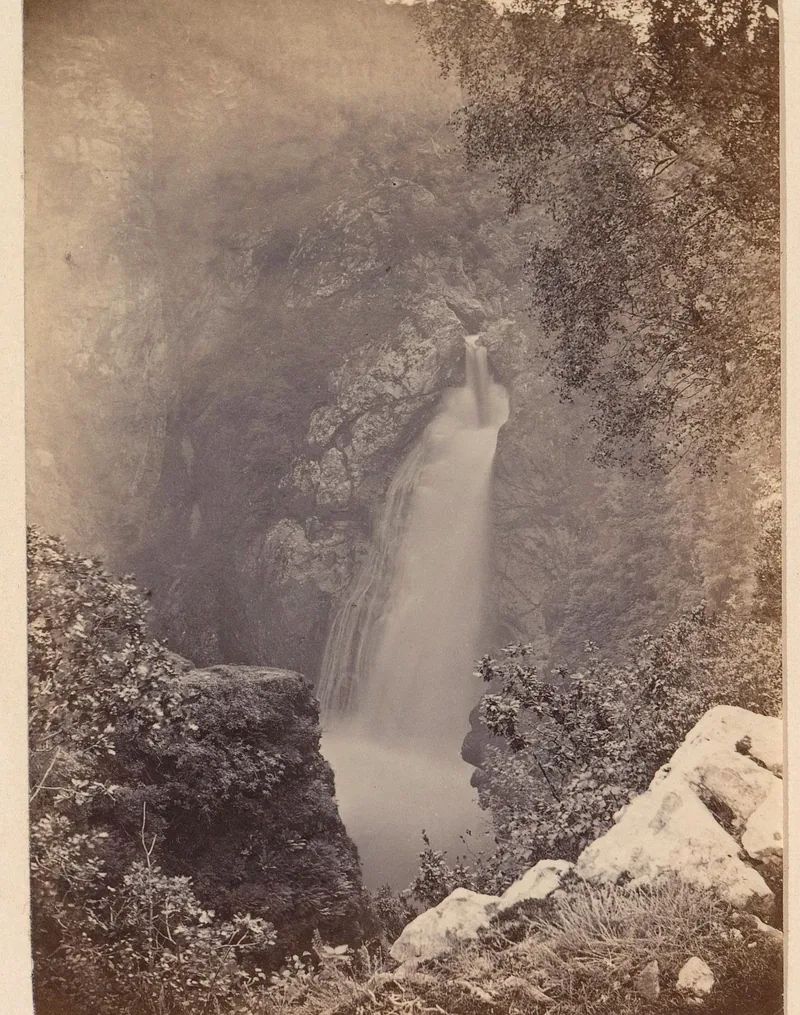
The Falls of Foyers, an albumen print by George Washington Wilson, made about 1858 to 1868. The image is cropped to the photograph as it was mounted in a Rijksmuseum album (object RP-F-2001-7-1092-29); the surrounding album page is not shown here. Public domain / CC0. Photograph (cropped to the mounted print): George Washington Wilson. Rijksmuseum, RP-F-2001-7-1092-29 · CC0 · Rijksmuseum / Wikimedia Commons 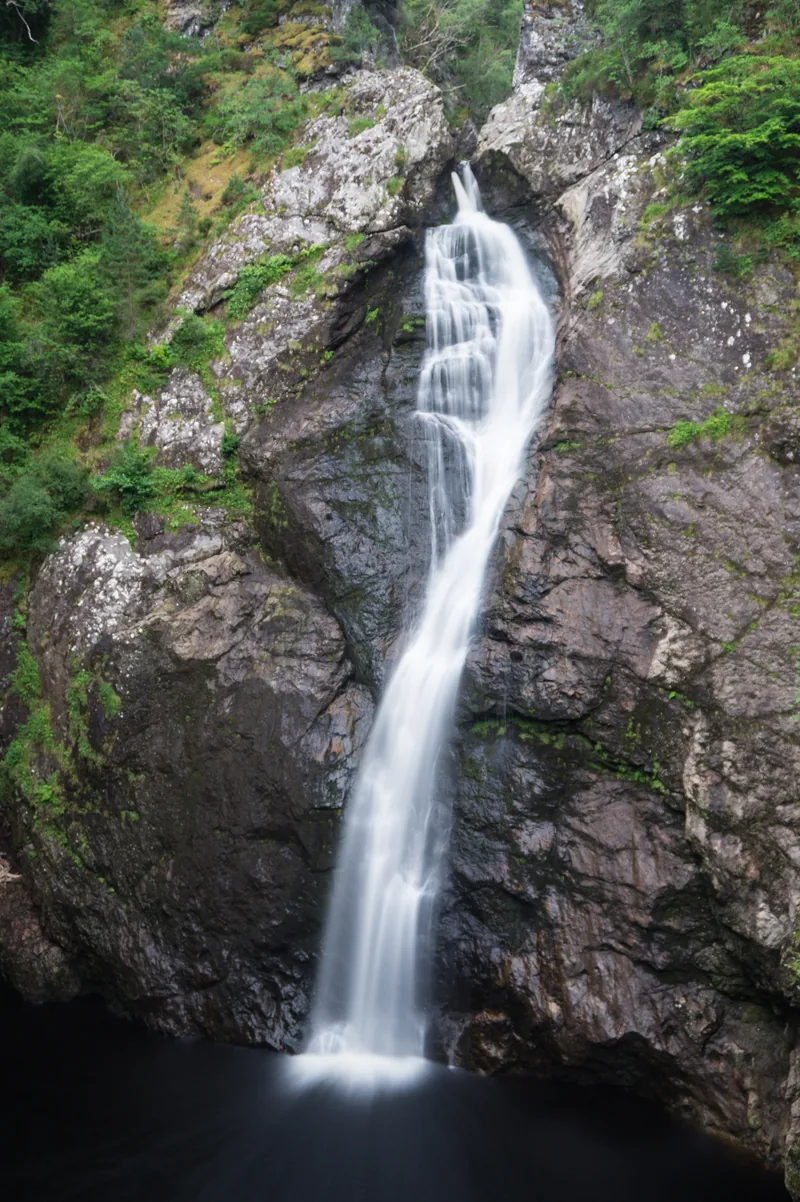
The Fall of Foyers, photographed by CrlNvl on 19 July 2017. The file describes it as a waterfall on the River Foyers, which feeds Loch Ness, in Highland, Scotland. Used on the website only, under CC BY-SA 4.0, and not placed in the typographic fact sheets. Photo: CrlNvl · CC BY-SA 4.0 (website only) · Wikimedia Commons 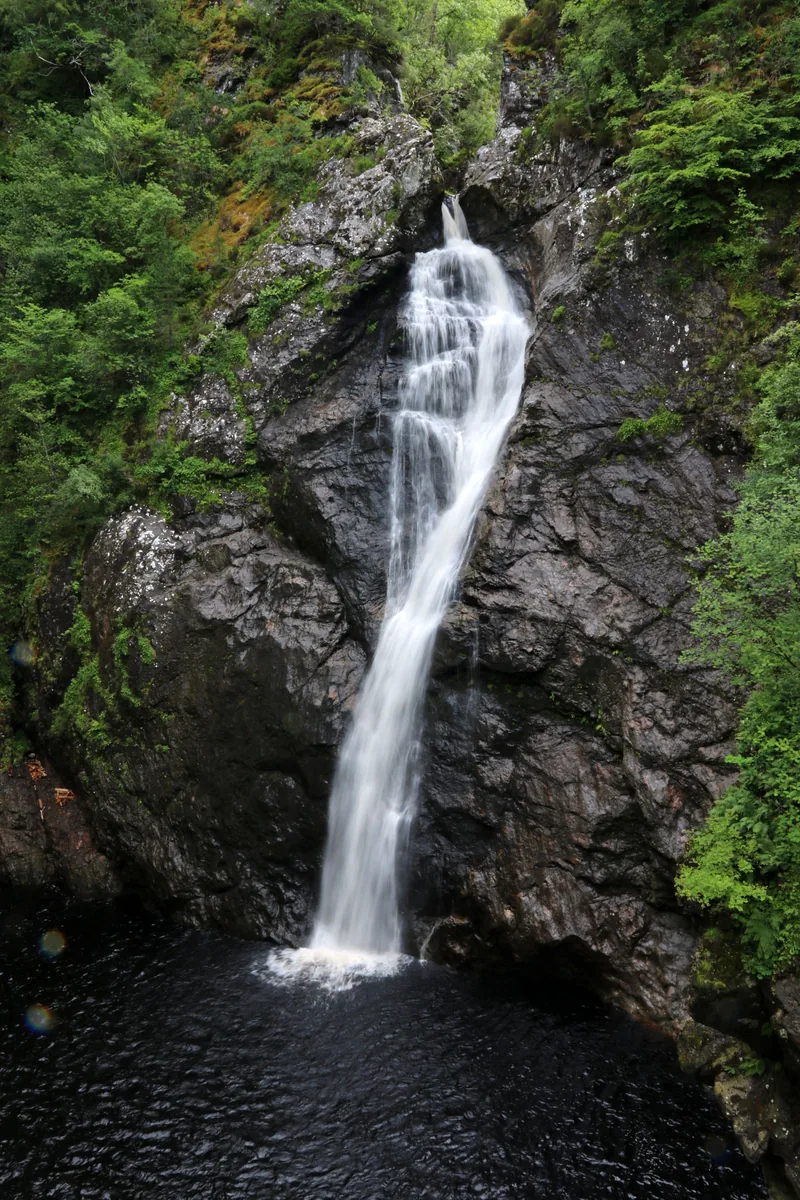
The Falls of Foyers near Loch Ness, photographed by Banja-Frans Mulder on 3 August 2015. The file title is “Scotland, Falls of Foyers near Loch Ness.” This is a modern view of the place Addams named; it is not a reconstruction of his visit. Photo: Banja-Frans Mulder · CC BY 3.0 · Wikimedia Commons 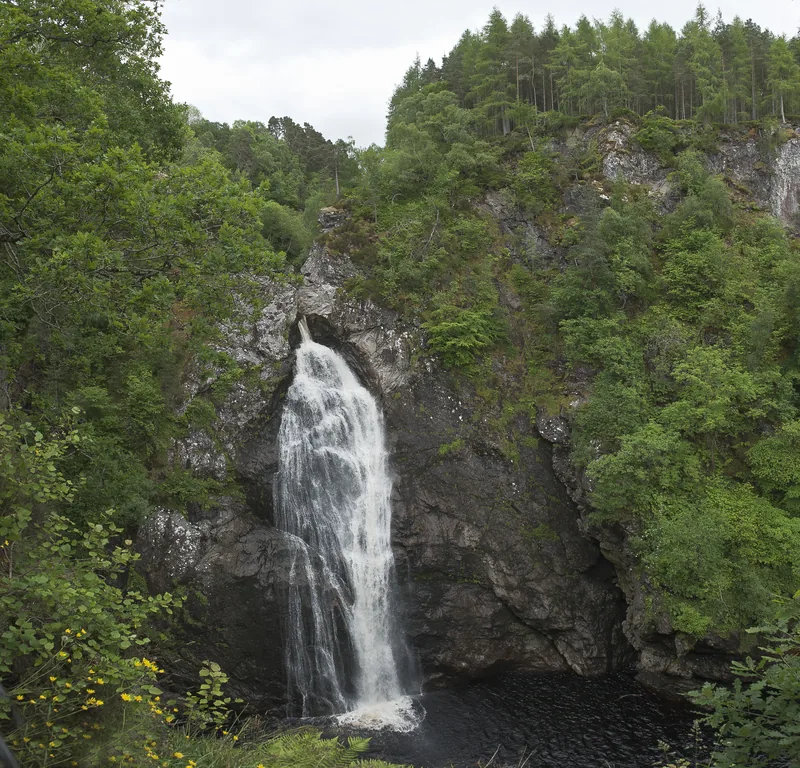
The Falls of Foyers, photographed by Pjt56 on 13 June 2017. File title: “Falls of Foyers, Scotland.” Used on the website only, under CC BY-SA 4.0, and not placed in the typographic fact sheets. Photo: Pjt56 · CC BY-SA 4.0 (website only) · Wikimedia Commons 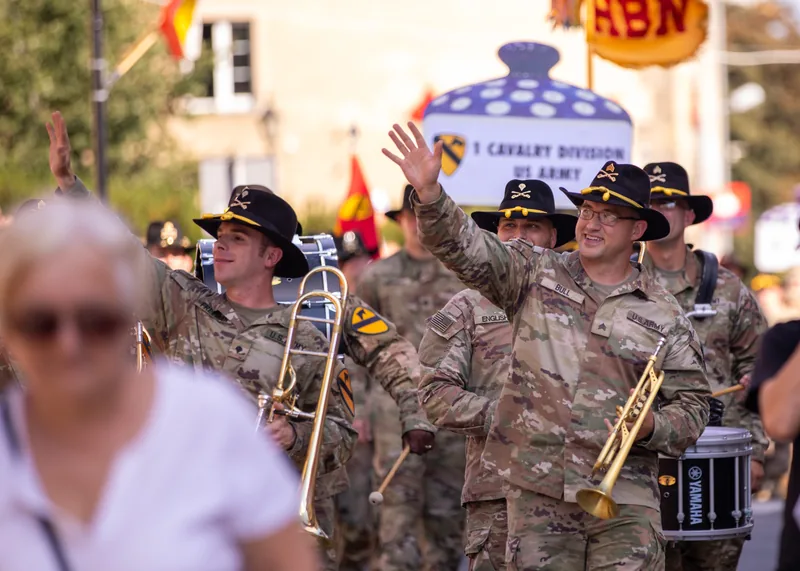
The 1st Cavalry Division Band in a parade at the Bolesławiec ceramic festival, Poland, on 16 August 2024, photographed by Staff Sgt. Jasmine McCarthy. Encyclopaedia Britannica uses a parade as an example of the motion aftereffect: after the marchers have gone by, the pavement may seem to move the other way. This photograph is of a parade. It is not a picture of the aftereffect itself. Public domain, U.S. Army. Photo: Staff Sgt. Jasmine McCarthy, U.S. Army · Public domain · U.S. Army / Wikimedia Commons 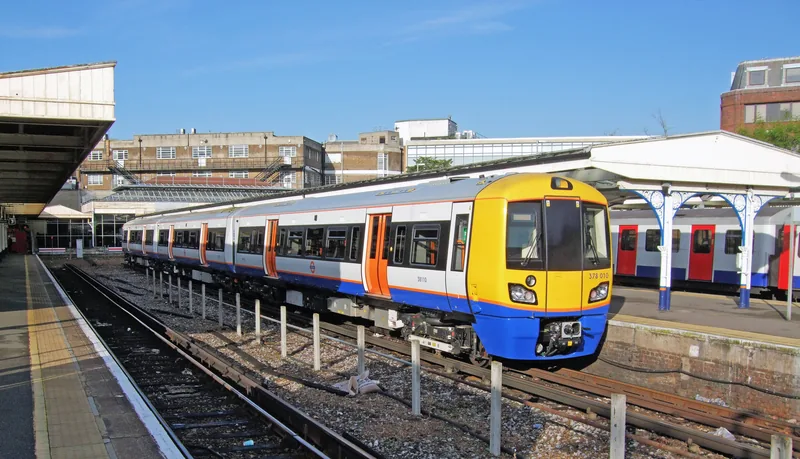
British Rail Class 378 unit 378010 at Richmond station, London, on 8 October 2009, photographed by Jim Linwood. Encyclopaedia Britannica’s example of induced movement is a train seen through a window, when a neighbouring train starts to move. This photograph shows a train at a platform. It does not itself show two trains in motion. Photo: Jim Linwood · CC BY 2.0 · Wikimedia Commons 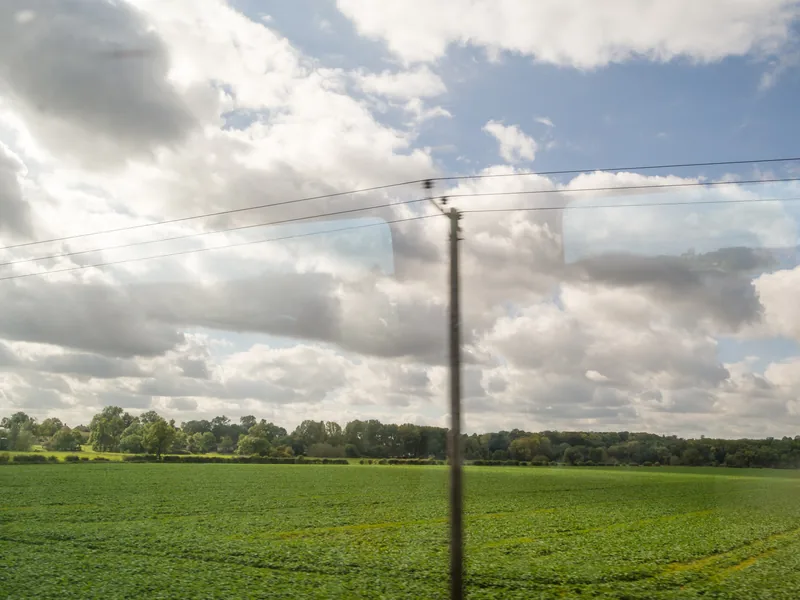
A Midland Main Line landscape photographed from a train window by James Petts on 5 October 2017. Official wording on induced movement uses a train seen through a window as the everyday case. This still is a view from a window. It is not a photograph of the illusion itself. Used on the website only, under CC BY-SA 2.0, and not placed in the typographic fact sheets. Photo: James Petts · CC BY-SA 2.0 (website only) · Wikimedia Commons 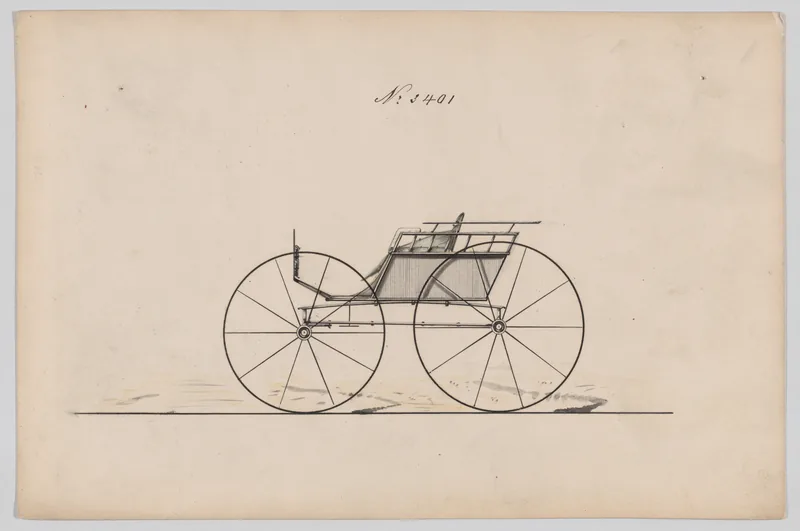
A four-wheel dog-cart game wagon made by Brewster & Co. in 1878, from the Metropolitan Museum of Art (accession 3401). Official wording notes that stagecoach wheels may seem to move backward in the cinema. This photograph is of a historic wagon and its wheels. It is not a picture of that cinema effect. Public domain / CC0. Photo: Metropolitan Museum of Art. Brewster & Co., 1878 · CC0 · Metropolitan Museum of Art / Wikimedia Commons 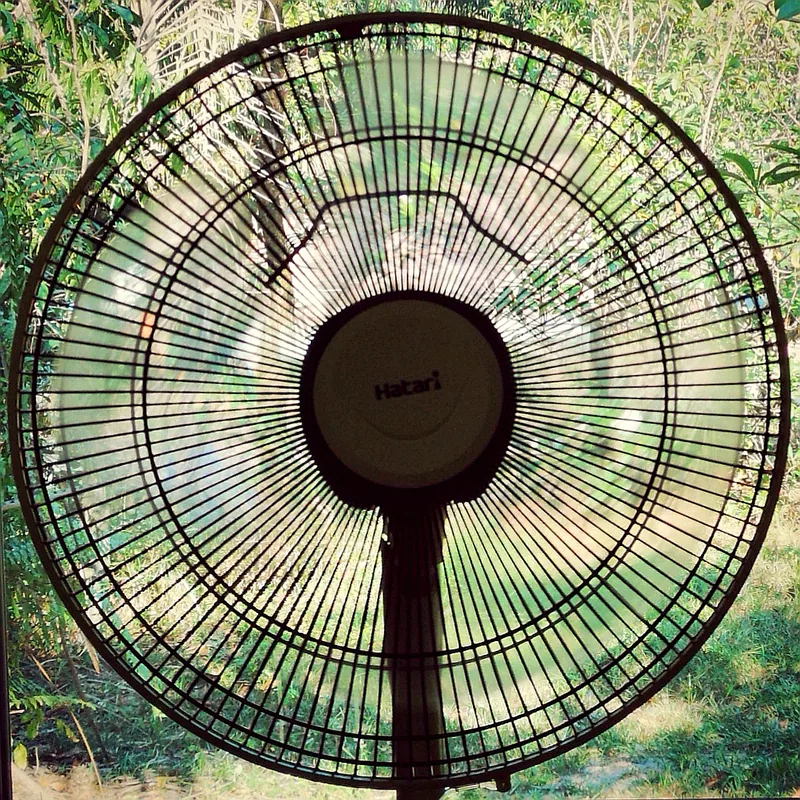
An electric fan, photographed by Garonzi Stefania on 7 February 2019. Encyclopaedia Britannica mentions a rotating fan, under flickering light, among stroboscopic effects. This still shows a fan at rest. It is not a photograph of those effects. Used on the website only, under CC BY-SA 4.0, and not placed in the typographic fact sheets. Photo: Garonzi Stefania · CC BY-SA 4.0 (website only) · Wikimedia Commons 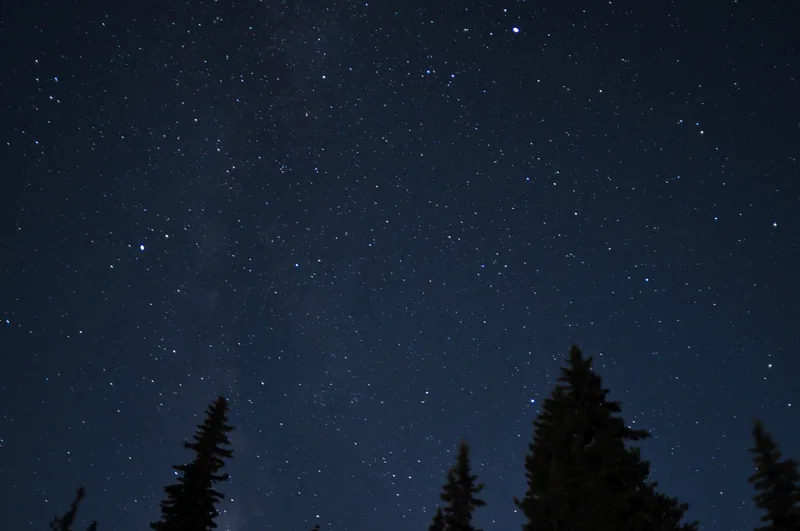
Stars in the night sky above the boreal forest at Chisasibi, Quebec, photographed by Carl Young on 17 September 2019. Official wording says Alexander von Humboldt described the autokinetic effect in 1799 while watching a star through a telescope. This is a photograph of a night sky. It is not a picture of that effect, and it is not a claim that Humboldt was looking at these stars. Used on the website only, under CC BY-SA 4.0, and not placed in the typographic fact sheets. Photo: Carl Young · CC BY-SA 4.0 (website only) · Wikimedia Commons 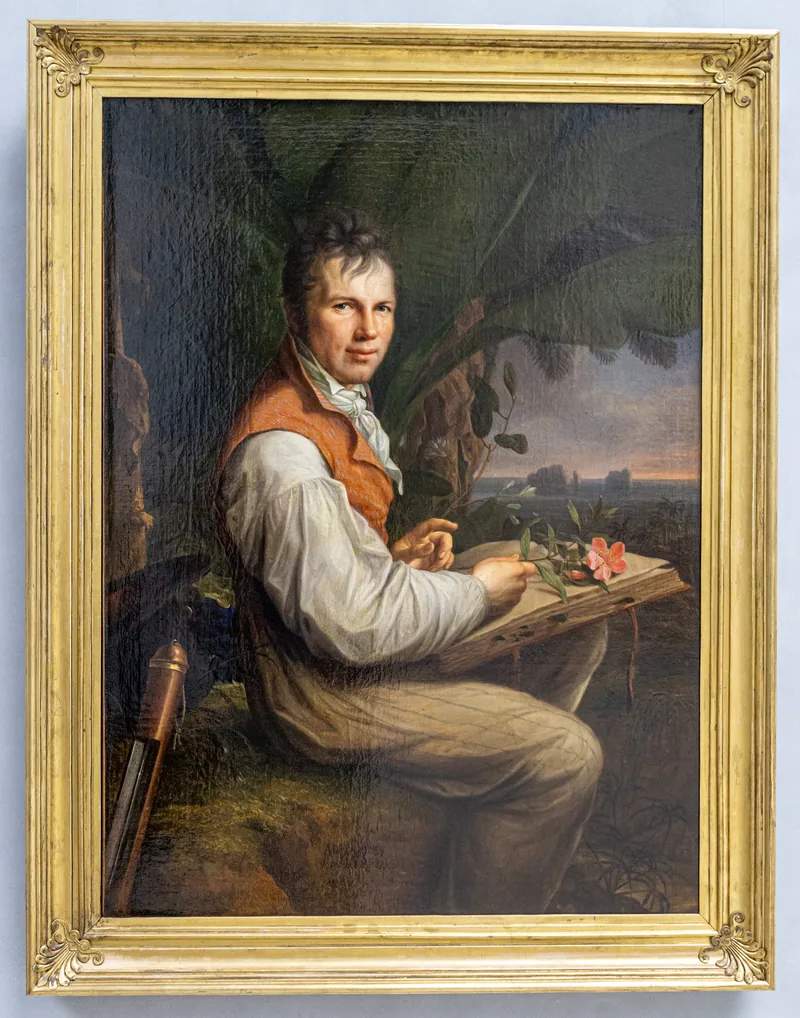
Alexander von Humboldt, painted in 1806 by Friedrich Georg Weitsch. This is a photograph of the canvas in the Alte Nationalgalerie, Berlin, by Wuselig. Official wording says Humboldt described the autokinetic effect in 1799, watching a star through a telescope. The painting is a portrait. It is not a picture of that observation. Public domain. Painting (photograph of the canvas): Friedrich Georg Weitsch, 1806. Photograph: Wuselig, Alte Nationalgalerie · Public domain · Alte Nationalgalerie / Wikimedia Commons
Enjoyed this desk of motion that is not quite there?
No pop-ups. No intrusive advertising. Just interesting stuff. A little support helps the next illusions.im site get built.